





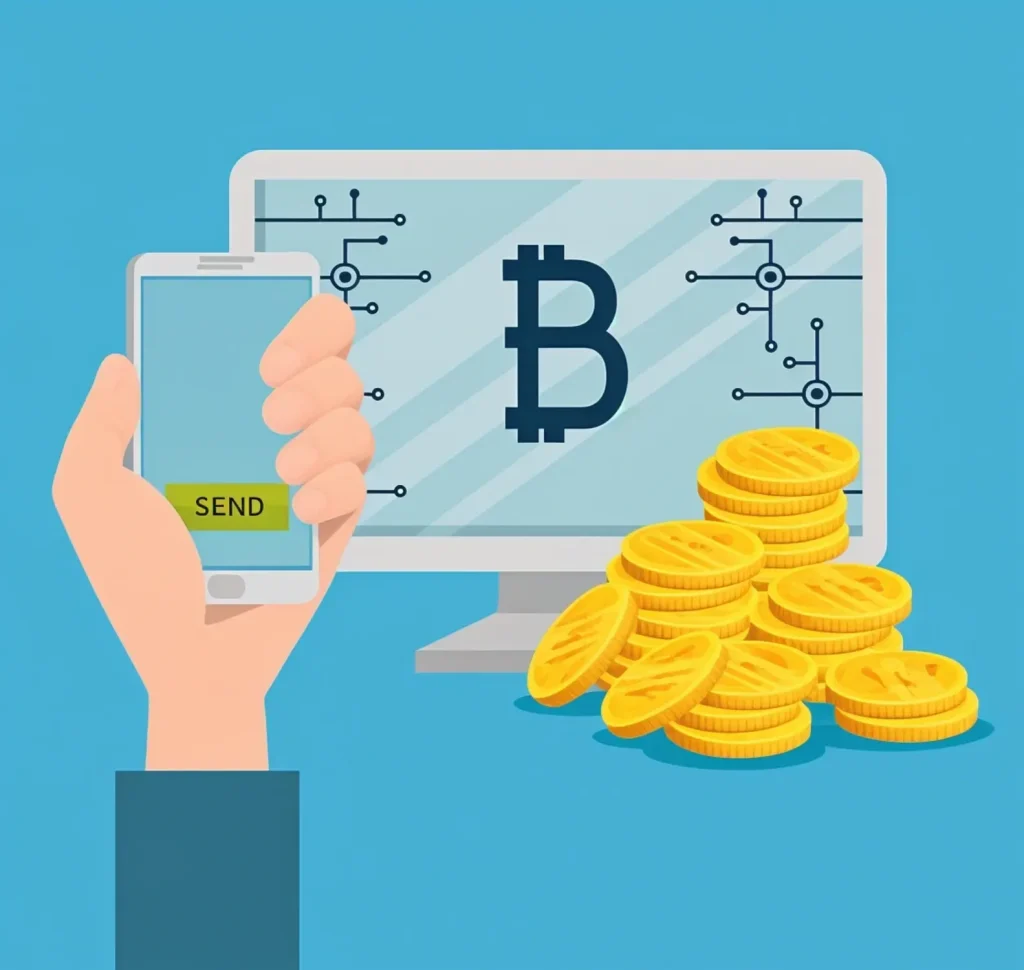
Amidst the ongoing economic crisis in Iran, Bitcoin has emerged as a vital tool for many seeking financial stability. This digital currency plays a crucial role in enabling Iranians to navigate economic turmoil, challenging traditional financial constraints.
Understanding Bitcoin’s Role in Iran’s Economy
Bitcoin functions as a revolutionary digital currency in Iran, offering a form of autonomy amidst a failing local economy. Given the enduring economic sanctions and inflation, many Iranians perceive Bitcoin adoption as a necessary alternative to stabilize their financial standing. The traditional banking system has struggled under pressure, fostering a population eager to explore decentralized finance options. According to TradingView, the urgency for alternative currencies has intensified among citizens as inflation spirals.
In seeking alternatives, Bitcoin stands out for its capacity to bypass restrictions imposed by government authorities. This digital currency appeals particularly to younger generations and tech-savvy individuals, who find in Bitcoin not only a method of transaction but a tangible asset that retains value.
The Impact of the Iran Economic Crisis on Daily Life
The economic crisis in Iran reverberates through everyday life, causing significant hardships for citizens. Many Iranian families struggle to meet basic needs such as food and healthcare, with inflation rates soaring above 40% in some sectors, leading to a deterioration in living standards. Personal accounts depict stories of families forced to cut down on essential spending while grappling with skyrocketing costs.
The economic instability directly correlates with the rise of cryptocurrencies. As the local currency loses reliability, crypto becomes a beacon of hope. Reports indicate that more individuals are turning to Bitcoin not just for investment, but as a practical means to facilitate transactions without the volatility of local banking systems. Furthermore, increasing awareness and discussions about the benefits of digital currencies on social media platforms contribute to their rising popularity.
Current Trends in Bitcoin Adoption Among Iranians
Recent statistics reveal a surge in the number of Bitcoin users in Iran, highlighting demographic shifts in adoption. The user base encompasses a wide variety of age groups, but there is a notable concentration among younger, urban residents embracing Bitcoin as a modern solution to financial woes. The convenience of trading through mobile devices fuels this growing inclination, particularly as traditional finance remains bogged down by governmental limitations.
According to Bitcoin Magazine, Bitcoin adoption is particularly pronounced in metropolitan areas, where access to technology coincides with a deeper desperation for financial alternatives. Social media serves as an effective catalyst, with various cryptocurrency experts and influencers sharing insights that enhance understanding and encourage participation in the crypto space.
Crypto as a Lifeline During Protests
Bitcoin emerges as an essential resource during periods of political unrest in Iran. It supports financial freedom for those looking to circumvent oppressive regulations. Accounts from citizens suggest that Bitcoin has allowed them to execute transactions safely, thus providing a buffer against the erosive effects of sanctions. Participants in protests often utilize Bitcoin to fund their activities discreetly, underscoring the technology’s role in supporting dissent.
In this climate, the intertwining of Bitcoin use and political expression becomes evident. Certain reports illustrate how protesters leverage cryptocurrencies to acquire necessities like food and medicine, often cutting through traditional systems that are incredibly restricted. The relationship between political activity and cryptocurrency adoption is evolving, as Bitcoin signifies both a financial and ideological stance against the status quo.
Digital Currency as an Alternative Investment
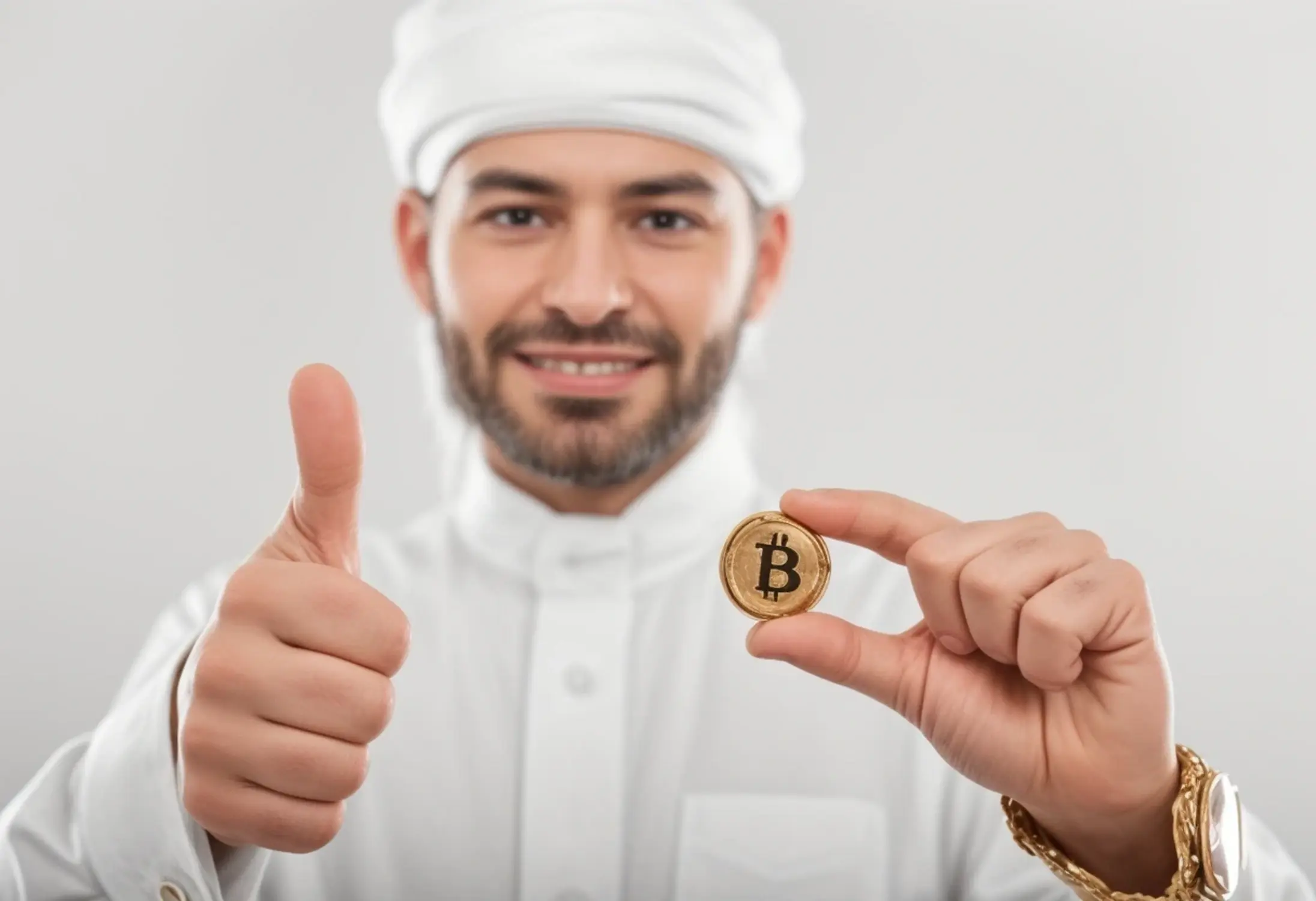
Similar to gold, Bitcoin offers a potential safe haven for Iranians amid ongoing economic strife. Many view Bitcoin as a hedge against inflation and a compelling store of value. As the Iranian rial continues to falter, cryptocurrencies become increasingly appealing for their perceived stability and potential for appreciation. In essence, the allure of Bitcoin lies in its defiance of traditional asset depreciation.
Moreover, the comparative ease of buying and trading Bitcoin adds to its appeal over other assets like gold. As Tron Weekly notes, the Iranian crypto economy is projected to reach substantial figures, further embedding digital currencies into the financial fabric of the nation. Such insights reveal that many Iranians, who are looking for alternative means to safeguard their resources, see Bitcoin as an investment with a future.
Transforming Financial Strategies for Survival
For those interested in using Bitcoin as a financial lifeline, several actionable steps can be taken. Firstly, interested individuals should start with the basics of cryptocurrency by accessing reliable online resources and community groups dedicated to education. Various platforms now offer beginner-friendly tutorials, guiding users through the complexities of wallets, exchanges, and security protocols.
Furthermore, caution should be exercised in volatile markets. The price of Bitcoin can fluctuate widely, and maintaining awareness of market conditions is paramount. Individuals should only invest what they can afford to lose while also diversifying their financial strategies.
The Future of Bitcoin in Iran’s Economic Landscape
Speculative insights suggest that Bitcoin’s role in Iran’s economy may grow in the coming years, with potential regulatory developments shaping this landscape. As noted by experts in the field, government responses to the crypto wave may be mixed; on one hand, there could be increased scrutiny, while on the other, there might be acknowledgment of its importance in offering economic alternatives.
With the underground nature of Bitcoin transactions, the future remains uncertain but optimistic. If the trend continues, we may witness significant shifts in Iran’s financial ecosystem, driven by an engaged populace eager for stability in the face of adversity. Predictions indicate that Bitcoin could remain a transformative force, creating new paths for financial engagement and independence.
About The Author




More Stories
How Freelancers Are Using Crypto Cash Out Services to Manage Expenses
Why Artificial Intelligence and Blockchain Are Set to Transform the Global Economy
Why AI’s Automation Will Reshape the Economic Landscape Forever