






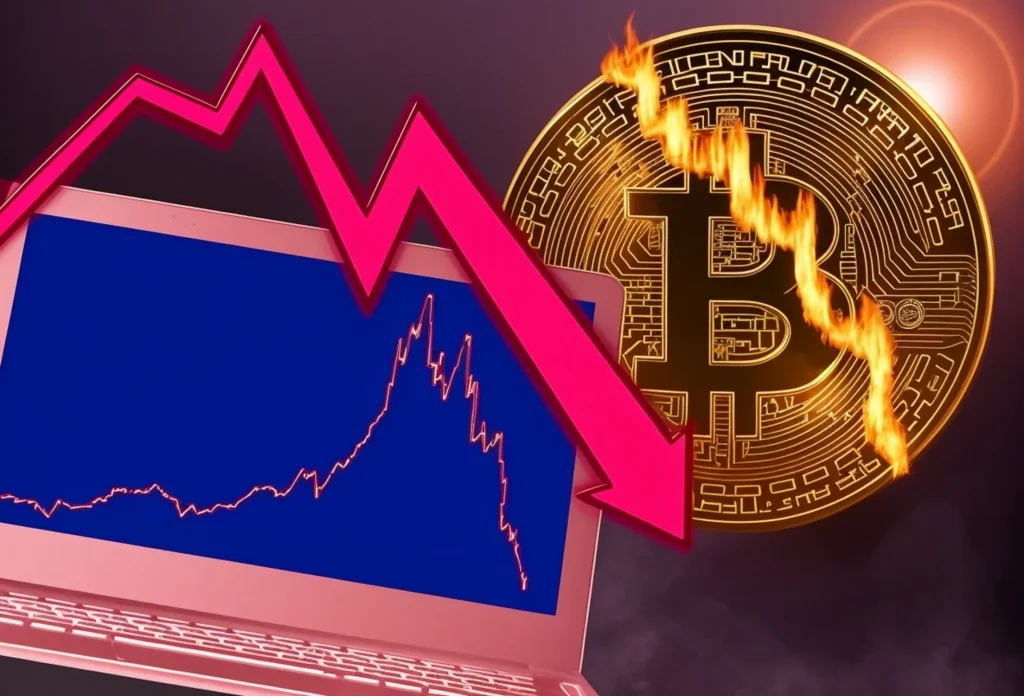
The unpredictable nature of bitcoin volatility raises important questions about the future of financial markets, impacting investor sentiment and reshaping economic frameworks. Understanding these dynamics is crucial for anyone looking to navigate the evolving landscape of crypto market trends.
Current Influences on Bitcoin Volatility
Bitcoin volatility is driven by various factors, making it a subject of intense analysis among investors. One primary driver is the macroeconomic conditions affecting market behavior. For instance, fluctuations in interest rates can lead to significant price movements in the bitcoin space. As highlighted in recent reports, the current economic landscape is uncertain, resulting in a sell-off that influences both traditional and digital assets.
Additionally, specific events have emerged as catalysts for market swings. A notable factor is the ongoing scrutiny of Tether, a significant player in the crypto market, affecting overall investor confidence. Events like market corrections can shift momentum rapidly, causing bitcoin prices to fluctuate dramatically. According to analysts, current price patterns reflect a bull-market correction rather than a bear market sign, suggesting potential future gains depending on economic stability.
Investor Sentiment in Turbulent Times
As bitcoin experiences spikes in its volatility, market sentiment fluctuates significantly. Investor psychology plays a crucial role here, with many reacting strongly to news events impacting the crypto economy. For example, developments related to MicroStrategy, which has heavily invested in bitcoin, have shaped negative and positive sentiment in the community. In particular, the challenges faced by MicroStrategy have drawn attention, illustrating how individual company movements can influence overall investor confidence.
Moreover, the psychological elements behind investor decisions cannot be ignored. Fear and greed often dominate actions in the cryptocurrency space, leading to rash decisions during turbulent times. The cautious sentiment lingering among investors is largely influenced by the ongoing challenges seen in assets like Tether. This volatility evokes reactions tied to broader financial anxieties, illustrating how deeply interconnected investor sentiment is with external market events.
Predictions for Bitcoin’s Price Trajectory
Forecasting bitcoin’s price trajectory is a complex task, but industry experts provide insights that help shape investor expectations. Many analyses suggest that bitcoin’s trading range will hover between $83,000 and $95,000 until the end of 2025. This stability could be disrupted depending on factors influencing broader market conditions, particularly the Federal Reserve’s monetary policy. As reported by analysts, additional gains could see bitcoin’s value rising to $135,000 in a favorable economic scenario.
These projections emphasize the importance of monitoring market trends closely. Investors must remain vigilant, aware that dynamic factors—such as economic data releases, regulatory changes, and market corrections—can significantly alter expected price movements. Anticipating shifts in market conditions will be crucial for anyone investing in or navigating the crypto space in the years to come.
Economic Impact of Bitcoin’s Fluctuations
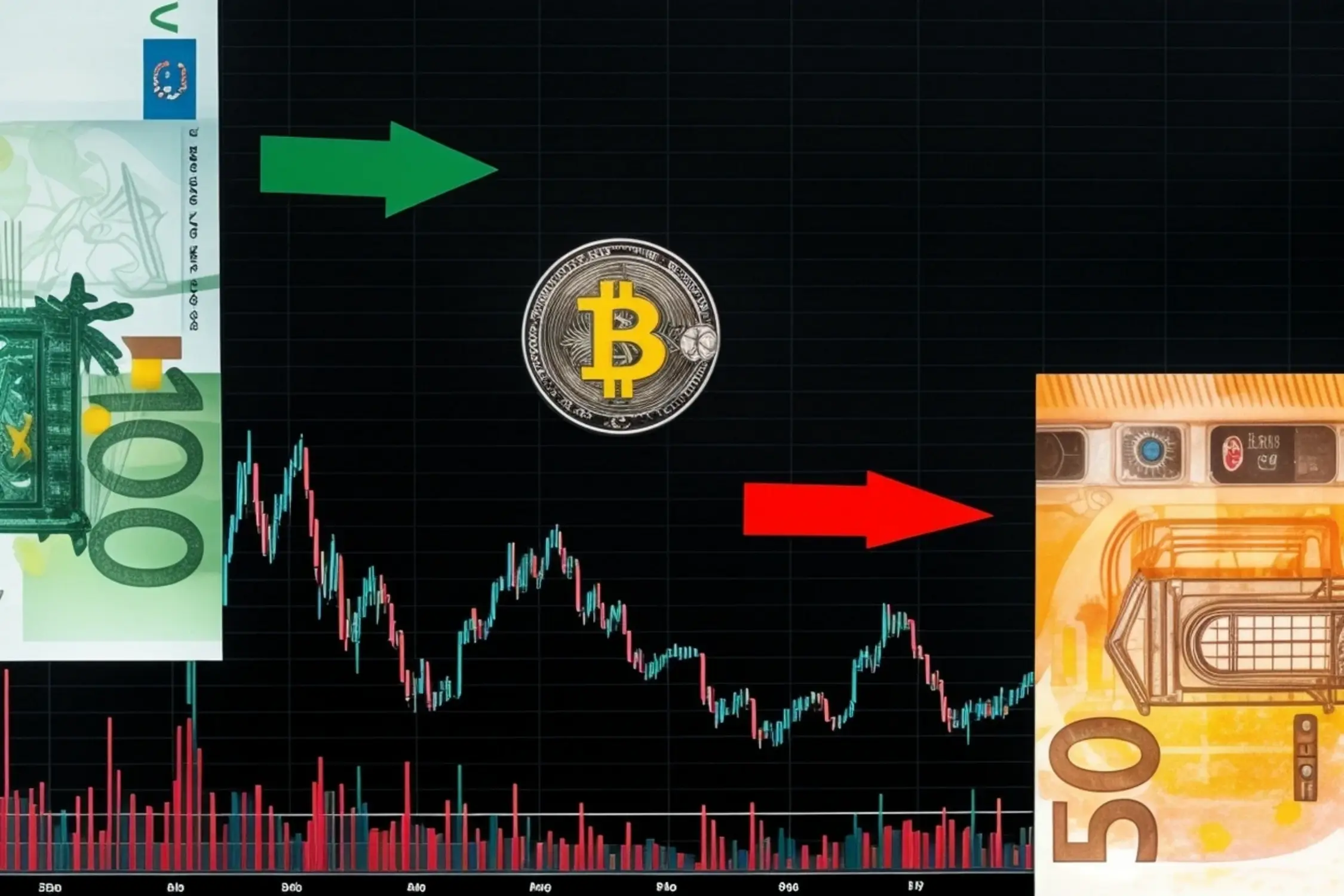
The ripple effects of bitcoin’s fluctuations extend into the broader economic landscape, impacting global stability in various ways. As more individuals and institutions invest in cryptocurrency, the correlation between crypto markets and traditional financial markets grows stronger. In times of heightened volatility, concerns arise about the potential for significant consequences on economic stability.
The interrelationship suggests that central banks may have to rethink monetary policies in light of rising digital asset popularity. The broader implications for global economic frameworks are profound, prompting discussions about how fluctuations in bitcoin can shape future regulatory policies. As cryptocurrencies gain traction, their impact on central banking decisions and financial systems will continue to be a focus for economists.
Strategies for Navigating Financial Market Changes
For investors, navigating the volatility of bitcoin requires strategic planning and risk mitigation. During uncertain times, implementing actions to safeguard investments can help maintain portfolio stability amidst unpredictable swings. Here are actionable strategies:
– Diversification: Balance your portfolio by investing in a mix of crypto and traditional assets.
– Stay Informed: Regularly follow news and analysis on the crypto market to make informed decisions.
– Risk Management: Set clear risk thresholds for your investments, ensuring you don’t exceed manageable levels in uncertain times.
– Adjust Allocations: Be flexible in reallocating crypto percentages based on market conditions.
Keeping abreast of market news and trends is vital for making informed decisions. Staying proactive will enhance an investor’s ability to navigate fluctuations effectively.
The Future of Financial Markets Amidst Bitcoin Fluctuation
The long-term impact of bitcoin’s volatility on financial markets could lead to significant changes. A key area of transformation involves regulatory responses aimed at curbing extreme fluctuations associated with cryptocurrencies. As regulatory frameworks evolve, they will likely influence investor behavior and the overall perception of bitcoin as a viable asset class.
Furthermore, continued volatility could prompt shifts in investor strategies, compelling them to adapt methodologies that align with ongoing market changes. The landscape will demand flexibility, innovation in investment approaches, and a willingness to react to economic shifts.
As we look towards the future, the intersection of bitcoin’s volatility with global financial markets remains a space of endless possibilities, potentially reshaping how financial systems operate and how individuals approach investment in this evolving age.
About The Author




More Stories
The Hidden Truth About Bitcoin’s Price Resilience Amid Global Turmoil
What No One Tells You About XLM’s Price Risks and Opportunities
Why Job Revisions Are About to Change Everything for Bitcoin Investors