






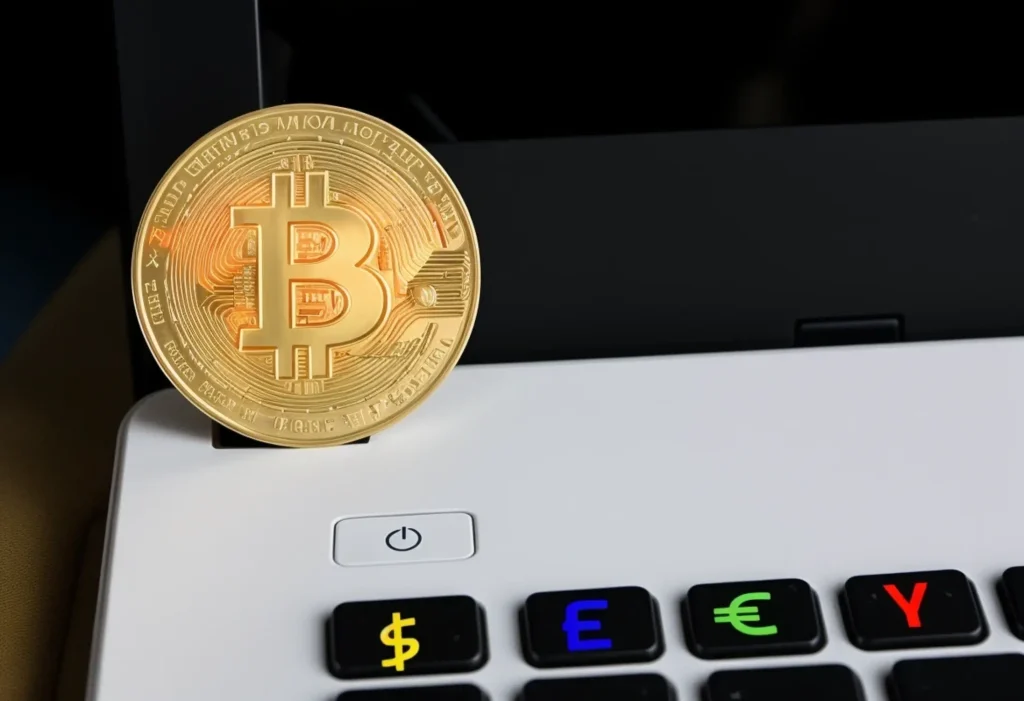
Mastercard’s crypto expansion is not just a trend; it signifies a pivotal shift in how we interact with money. As digital assets gain traction, understanding this evolution is crucial for adapting our everyday spending habits and harnessing new opportunities.
Understanding Mastercard’s Crypto Expansion
Mastercard has been at the forefront of incorporating cryptocurrency into its payment systems. By launching various initiatives, the company signals its commitment to embracing the changing landscape of finance. The introduction of digital assets represents more than just an addition to their offerings; it reflects a fundamental transformation in consumer interactions with money.
In recent years, digital assets have gained significant recognition and utilization across the globe. Companies like Mastercard recognize the importance of integrating these assets into their frameworks, especially as consumers become more technologically savvy. As recent reports suggest, Mastercard’s strategies aim to include cryptocurrencies into traditional payment methods, thereby enhancing convenience for users and retailers alike. This proactive approach positions Mastercard as a leader in the increasingly competitive crypto marketplace.
The Importance of Blockchain Innovation
Blockchain technology stands as the backbone of cryptocurrencies, offering a decentralized and secure way of recording transactions. This innovation ensures that data is not only secure but also transparent, a fundamental requirement that fosters trust in any financial system. The ability to maintain an immutable ledger further enhances confidence among users in cryptocurrency transactions.
As blockchain technology evolves, it has the potential to revolutionize payment processes significantly. For instance, the elimination of traditional intermediaries can facilitate faster transactions with lower fees. According to industry experts, such efficiencies can drive widespread adoption among consumers reluctant to embrace digital currencies initially. The implications of this technological shift are profound for everyday spending, where users demand speed and reliability.
Current Trends in Everyday Spending
The transition from cash to digital payments, particularly cryptocurrencies, is becoming increasingly evident. Consumers, especially younger demographics, are more inclined to use digital currencies for their transactions. A recent survey indicates that 25% of respondents have already used cryptocurrencies for everyday purchases, illustrating a significant behavioral shift towards embracing new financial technologies.
Mastercard recognizes the urgency of adapting to these changing spending habits. As more consumers prefer digital solutions, Mastercard is evolving its services to accommodate crypto payments seamlessly. This evolution empowers retailers to reach wider audiences while enhancing the shopping experience for consumers, seamlessly blending traditional finance with the emerging crypto economy.
Why Mastercard’s Crypto Expansion Matters
The implications of Mastercard’s foray into cryptocurrencies resonate across both consumers and retailers. For consumers, increased access to digital assets fosters greater financial inclusion, allowing them to engage in a global marketplace. Retailers can also benefit significantly; those who embrace this technology can attract a new clientele who prefer using cryptocurrencies for their purchases.
Furthermore, Mastercard’s influential role in this transition emphasizes the importance of collaboration among financial institutions and crypto enterprises. This engagement fosters a robust ecosystem for digital currencies, ensuring that users have reliable platforms for transactions. As more companies follow Mastercard’s lead, the potential for a genuinely inclusive financial landscape grows.

How to Adapt to Crypto Payments
Adopting cryptocurrency payments may seem daunting, but there are essential steps consumers and retailers can take to ease the transition. For consumers, starting with a digital wallet that supports multiple cryptocurrencies is paramount. Understanding the different types of assets available and their functionalities will empower users to make informed choices.
Retailers, on the other hand, should consider integrating crypto payment processors into their existing systems. These processors simplify transactions and can seamlessly convert crypto into local currencies, reducing volatility risks. Additionally, engaging with educational resources about cryptocurrency can enhance both parties’ confidence when using these new payment methods.
Future Outlook on Digital Assets
As digital payment systems advance, the landscape of everyday spending will continue to evolve. Experts predict that blockchain technology and cryptocurrencies will be integrated into various sectors, promoting convenience and security. However, challenges such as regulatory hurdles and consumer trust must be addressed to ensure broad adoption.
In shaping the future of crypto spending, legislation will play a crucial role. Governments worldwide are grappling with how to regulate digital currencies while fostering innovation. The importance of a balanced approach to regulation cannot be overstated, as it will determine the pace at which consumers and retailers will integrate these assets into their daily transactions.
Key Takeaways and Next Steps
Mastercard’s initiatives in the crypto sphere illustrate the significant potential for transforming everyday spending. As this transformation unfolds, it’s essential for consumers and retailers to stay informed and proactive in adapting to the changing landscape. Exploring cryptocurrencies does not only present new opportunities but also requires a commitment to education and understanding.
By keeping abreast of developments in digital assets, readers can harness the opportunities that arise from this financial evolution. Mastercard’s expansion into cryptocurrencies offers a glimpse into a future where everyday spending is not only more efficient but also more diverse, inclusive, and aligned with our rapidly changing world.
About The Author





More Stories
Why Eliminating Capital Gains Tax Could Revolutionize Bitcoin Adoption
How Investors Are Using Yuan Stablecoins to Navigate Global Markets
Why Crypto Mortgages Are Set to Revolutionize Real Estate Financing