



The digitization of asset ownership heralds a new era in investment strategies, driven by Real World Asset (RWA) tokenization. MANTRA DAO’s innovative migration from $OM to $MANTRA symbolizes this shift, integrating regulatory compliance with decentralized finance. This transformation is pivotal for the future of crypto, reinforcing the crucial role of AI-driven asset surveillance in ensuring the safety and legitimacy of transactions.
The Importance of Real World Asset Tokenization
Tokenization is pivotal for transforming tangible assets into digital counterparts. In the digital age, converting physical assets into tokens significantly enhances their liquidity and accessibility for investors. By fractionalizing ownership, tokenization allows a broader demographic to invest in previously inaccessible markets, such as commercial real estate and luxury goods. According to recent reports, tokenization not only democratizes investment opportunities but also promotes transparency in transactions.
Moreover, the regulatory landscape is adapting to these changes. As more assets enter the digital sphere, regulatory compliance becomes increasingly important. Regulators are now developing frameworks to govern how tokenized assets operate within the crypto ecosystem, impacting investor confidence and institutional adoption. This alignment between user interests and compliance is a beacon for the future of crypto, reinforcing the necessity for responsible innovation in this evolving field.
Current Trends in MANTRA Chain’s Token Migration
The recent token migration to $MANTRA from $OM is a significant milestone for MANTRA Chain. This transition, executed through a 1:4 split, is designed to streamline operations and enhance investor engagement on the platform. As of November 2025, reports indicate that approximately 67.9% of the ERC20 $OM tokens have migrated successfully to MANTRA Chain. This substantial migration underscores the growing institutional interest in compliant decentralized finance, as observed in the jump of $OM prices, which surged 43% amid this migration phase, according to CoinMarketCap.
This migration reflects a broader trend towards enhancing user experience and aligning functionalities with the evolving demands of the market. The MANTRA Chain is thus positioning itself not merely as a DeFi platform but as a holistic solution for investing in tokenized assets, aligning investor interests with compliance and market opportunities.
AI-driven Asset Surveillance Enhancing Security
In the era of asset tokenization, ensuring security is paramount. AI-driven asset surveillance systems are becoming indispensable in monitoring transactions to mitigate fraud and increase regulatory adherence. By employing sophisticated algorithms, these systems track asset transactions in real-time, providing valuable insights into market behaviors and potential vulnerabilities. Traditional asset management often struggles with transparency issues, making it ripe for innovation. The intersection of AI technology with blockchain could redefine how security is addressed.
As more AI-driven initiatives emerge, they enhance the visibility and accountability of transactions. For example, traditional models fall short in addressing vulnerabilities that decentralized platforms must tackle. A proactive approach integrating AI with blockchain technology ensures that asset management meets the rigorous demands of security in digital finance.
Analyzing Future of Crypto in Asset Ownership
The future of crypto increasingly intertwines with real-world asset ownership. Many market analysts predict a robust rise in interest from institutions engaging with tokenized assets, propelled by innovations like those from MANTRA DAO. Major players are recognizing the potential of integrating cryptocurrency with tangible assets, indicating a significant paradigm shift in investment strategies. As institutional interest grows, driven by the successes seen with MANTRA Chain, we can expect advancements in securing high-value RWAs through tokenization.
This evolving landscape is not just about technological advancements; it’s about redefining what ownership means in the context of digital finance. As institutions explore new avenues for capital and risk management, innovations from decentralized platforms are becoming essential components in facilitating efficient transactions.
Regulatory Compliance in Tokenization Efforts
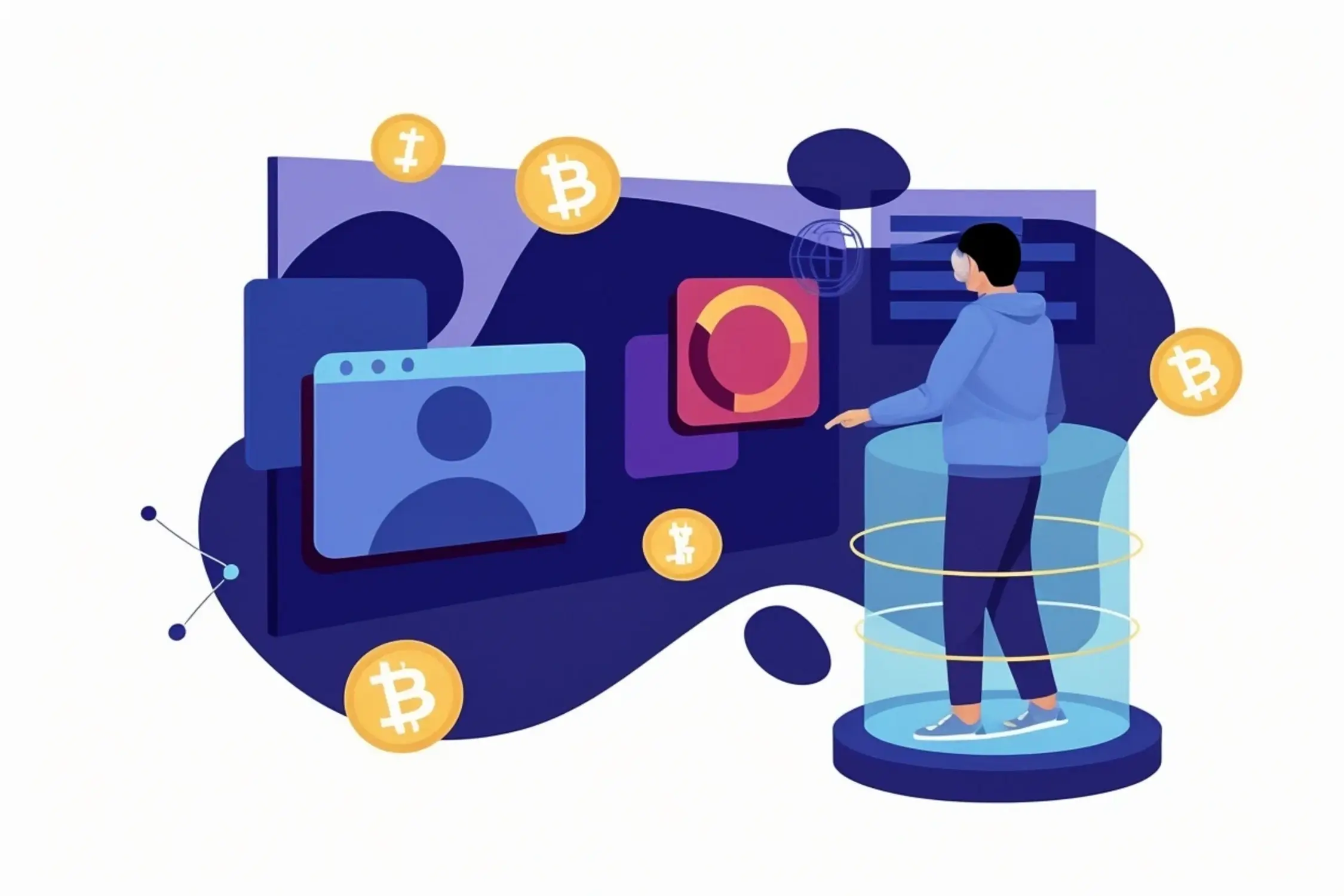
Compliance plays a critical role in expanding into real-world assets. The recent acquisition of a Virtual Asset Service Provider (VASP) license from VARA places MANTRA DAO ahead of many competitors in terms of regulatory integrity. This achievement provides significant confidence for investors, ensuring that their assets are managed within compliant frameworks.
The implications of these regulatory frameworks on asset tokenization are profound. They foster an environment where investors can engage with liquidity and transparency. The emergence of compliant frameworks not only safeguards investors but also promotes broader adoption of tokenized assets.
Strategies for Engaging with Tokenized Assets
Investors looking to navigate the landscape of tokenization must adopt informed strategies. Consider the following steps:
– Research: Understand the landscape of tokenized real estate and other assets.
– Engagement: Participate in platforms like MANTRA Chain to leverage their offerings.
– Investment: Look towards tokenized assets that demonstrate regulatory compliance for a diverse portfolio.
Engaging with tokenized assets not only widens investment horizons but provides opportunities in markets traditionally reserved for wealthy individuals. By comprehending the processes involved, investors can strategically position themselves in this evolving space, embracing the benefits of liquidity and accessibility that tokenization offers.
About The Author

More Stories
Why Eliminating Capital Gains Tax Could Revolutionize Bitcoin Adoption
How Investors Are Using Yuan Stablecoins to Navigate Global Markets
Why Crypto Mortgages Are Set to Revolutionize Real Estate Financing