




In the evolving landscape of decentralized finance (DeFi), Hifi Finance is poised to transform perceptions of asset management through the tokenization of real-world assets. Understanding its potential impact is essential for investors and enthusiasts alike as it paves the way for greater DeFi adoption.
The Promise of Tokenization in Hifi Finance
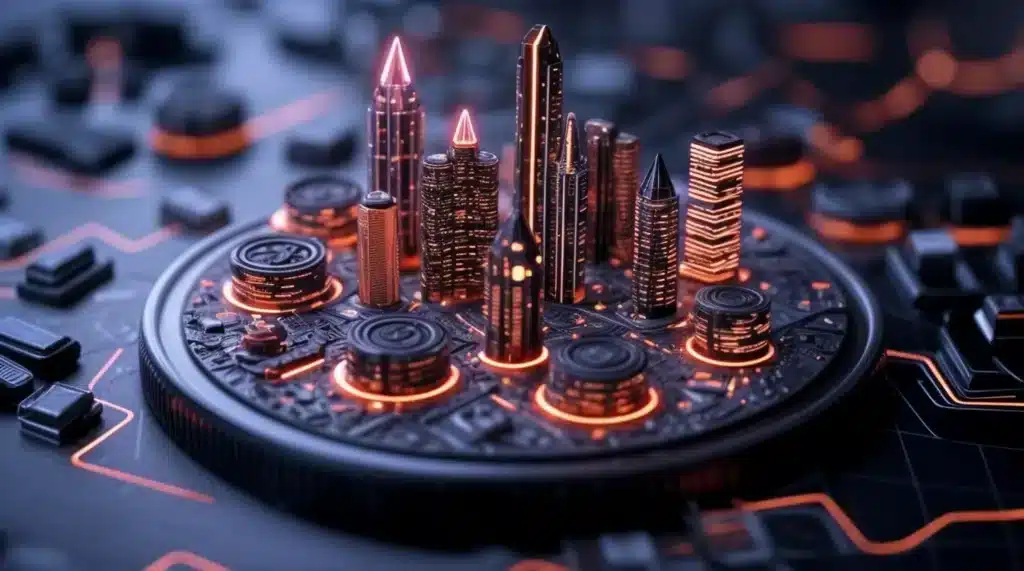
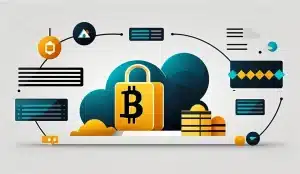
Tokenization refers to transforming real-world assets into digital tokens that represent ownership rights on a blockchain. In the context of Hifi Finance, this process makes it possible to harness the value of various tangible assets, including real estate, commodities, and art, within the DeFi ecosystem. According to recent analysis, Hifi operates by enabling fixed-rate borrowing against these tokenized assets, enhancing liquidity and accessibility for users.
This shift is crucial, as it allows investors to engage with previously illiquid assets. By tokenizing real-world assets, Hifi Finance ensures that investors can trade these assets without the traditional barriers, such as high entry costs and lengthy trade processes. As experts have noted, the decentralized nature of asset tokenization allows for broader participation in these markets, thus democratizing access to finance.
Moreover, this innovative approach has implications for traditional finance sectors. As Hifi Finance increasingly leverages real-world assets, it begins to merge the lines between mainstream finance and DeFi. This melding could produce new opportunities for asset management, credit assessments, and risk evaluations.
Current Trends in DeFi Adoption
The rise of DeFi platforms has been meteoric in recent years, with Hifi Finance playing a critical role in this transformation. According to industry reports, the total value locked in DeFi protocols reached record highs, and Hifi is a significant contributor to these statistics. The platform’s unique tokenization features and fixed-rate solutions have attracted users looking for stability in an otherwise volatile market.
While challenges do exist, such as regulatory scrutiny and market scepticism, the opportunities remain compelling. User preferences indicate a strong inclination toward platforms that offer both security and flexibility. Many users appreciate the fixed-rate borrowing model that Hifi Finance provides, as it aligns with a growing desire for predictable financial products in the DeFi space. As a result, understanding these trends is essential for market participants aiming to navigate the evolving landscape of decentralized finance.
Hifi Finance’s Role in the DeFi Ecosystem
Hifi Finance distinguishes itself as a decentralized lending protocol that emphasizes community governance through the HIFI token. This structure not only empowers users but also fosters a vibrant ecosystem that encourages development and responsiveness to user needs. As stated in the overview of Hifi, the protocol’s fixed-rate borrowing feature offers a unique advantage, particularly in times of economic uncertainty.
The HIFI token plays an integral role in facilitating governance decisions within the protocol. Holders of the token can vote on various proposals regarding protocol improvements and new collateral types. This democratic approach positions Hifi Finance as a pioneer in bridging traditional finance concepts with decentralized technologies, catering to the users’ evolving needs.
Navigating Economic Shifts with Hifi Finance
In a world characterized by rapid economic fluctuations, Hifi Finance demonstrates resilience through its innovative fixed-rate borrowing model. This approach provides stability for users, ensuring that they are not left exposed to the unpredictable price swings commonly associated with cryptocurrencies. By enabling borrowers to secure fixed rates, Hifi Finance mitigates risks and aligns incentives for responsible financial behavior.
Moreover, the implementation of risk management strategies is vital for investors. Fixed rates can help users lock in favorable borrowing conditions, even in times of market distress. This stability may lead more investors to consider tokenized real-world assets as a safe haven, thus increasing the adoption rate of Hifi Finance.

Capitalizing on Real-World Asset Markets
Real-world assets represent a vast opportunity within the DeFi ecosystem; these include real estate, art, and various commodities. Hifi Finance’s capacity to tokenize such assets opens new avenues for investment and trade. For instance, sectors like real estate can particularly benefit from tokenization as it simplifies fractional ownership while broadening investor access.
Investors looking to enter this emerging market should consider key sectors where tokenization yields significant benefits. Opportunities exist not just in traditional assets but also in innovative categories that might not have had investment channels previously. With Hifi Finance at the forefront, the potential for growth in these asset markets is immense, making it a vital player in the DeFi landscape.
Engaging with Hifi Finance: Steps for Investors
Investors keen on engaging with Hifi Finance should follow a few practical steps. First, they can familiarize themselves with the platform’s functionalities and features by utilizing available resources. Understanding the nuances of tokenized real-world assets is crucial for informed investment decisions. Various educational materials, including guides and community forums, can enhance users’ grasp of the platform.
Furthermore, navigating investments in tokenized real-world assets effectively requires careful assessment of market conditions and personal risk tolerance. As the DeFi landscape continues to evolve, staying updated on platform advancements, governance developments, and broader economic indicators will empower investors to make strategic choices within Hifi Finance’s innovative environment.
In summary, Hifi Finance reflects a transformative approach in the DeFi space, particularly through the tokenization of real-world assets. This innovation not only enhances asset liquidity but also democratizes access to diverse market opportunities, paving the way for increased adoption and engagement in decentralized finance.
About The Author


More Stories
The Hidden Truth About the Future of NFTs You Must Know
How Crypto Whales Are Using The Sandbox to Shape GameFi Investments
Why Stablecoins Are About to Disrupt the Banking System Forever